-
About
-
Products
- By Timber Product
- Cladding
- Decking
- Joinery
- Screening
- Panelling
- View all
- By Application
- Exterior Cladding / Siding
- Exterior Rain Screen
- Exterior Roofing
- Interior Walls & Ceilings
- Soffits
- Screening, Fins & Battens
- Windows, Doors & Joinery
- Posts & Beams
- Accessories + Samples
- Coatings
- Fixings
- Samples
-
Shop
- Samples
- Timber Samples
- Architectural Sample Box
- View all
- Accessories
- Coatings
- Fixings
- View all
-
Resources
- By Resource Type
- Technical Data Sheets
- Guides & Manuals
- Technical Articles
- Profile Drawings
- View all
- How To
- How To Specify
- How To Install
- How To Maintain
- Projects
- Contact
Global Webinar / Passive House in Practice: From Build to Living. Find out more >





Ngā Mokopuna - Wellington, New Zealand
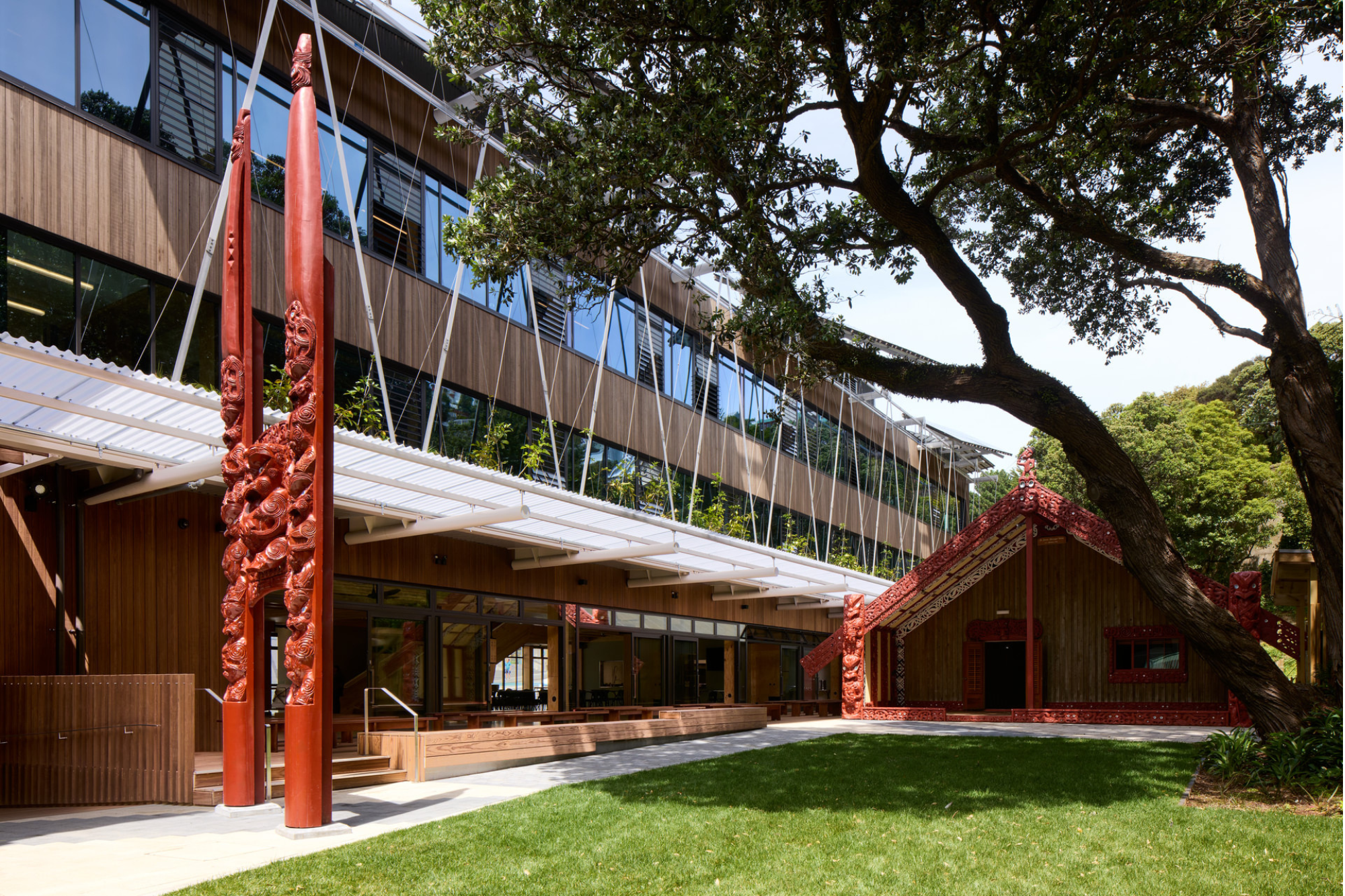
This student-centred environment at Victoria University is Wellington’s first aspiring Living Building Challenge project.
Project details
- Architect
- Tennent Brown Architects
- Landscape Architect
- Wraights + Associates
- Builder
- LT McGuinness
- Product
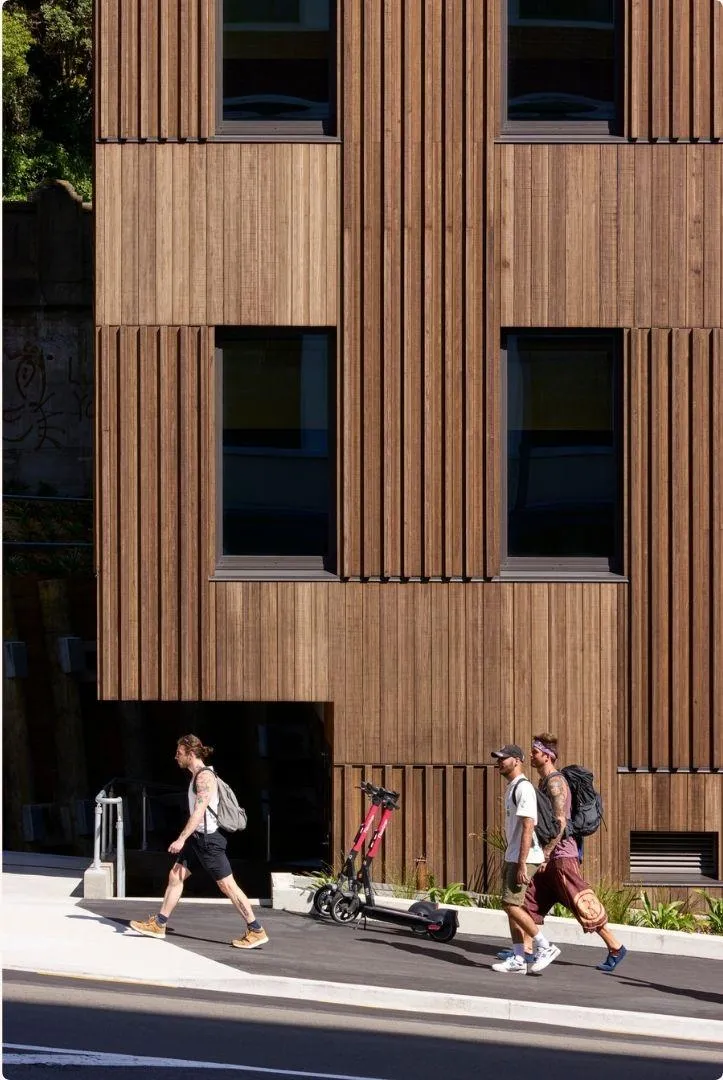
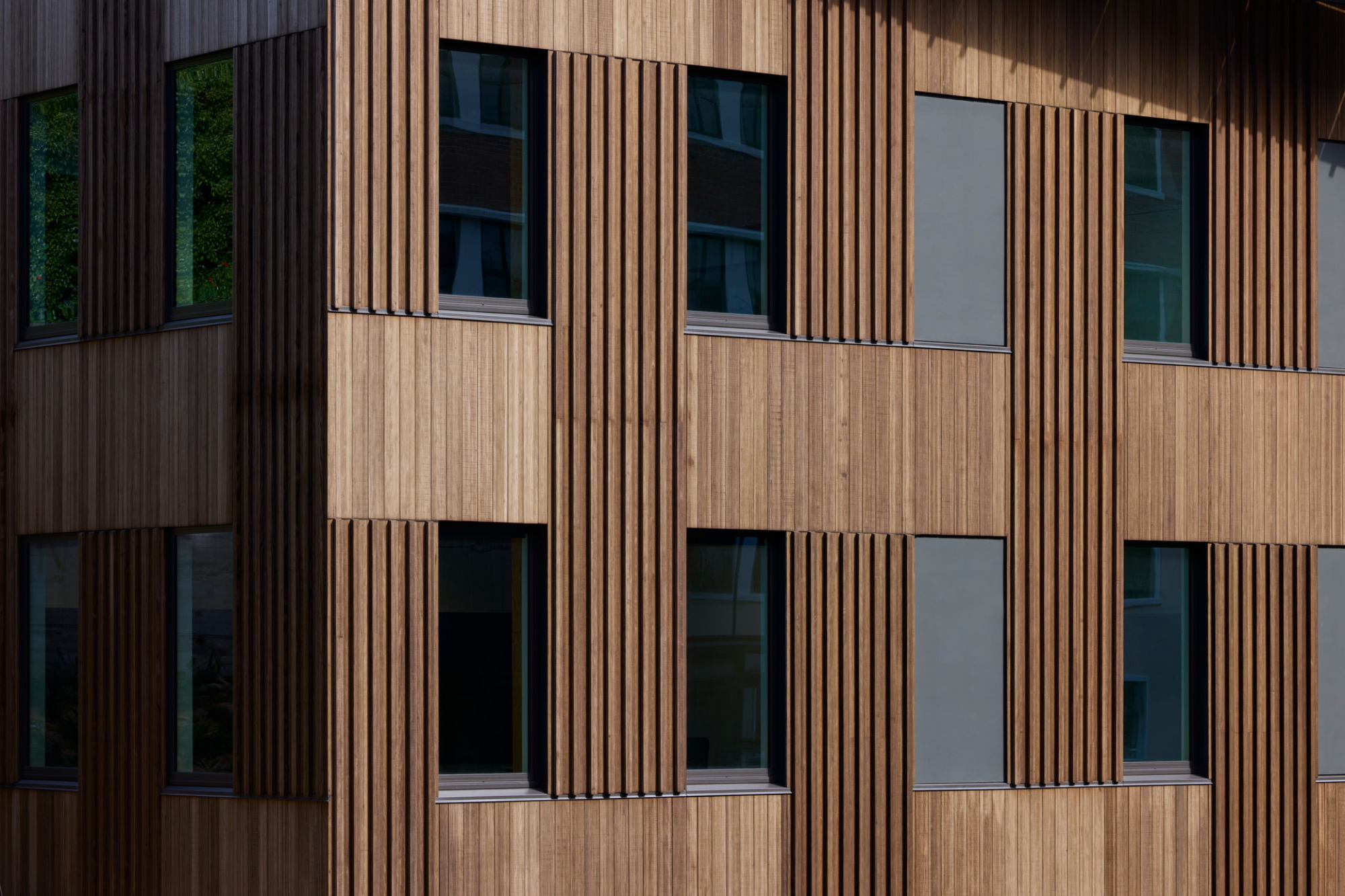
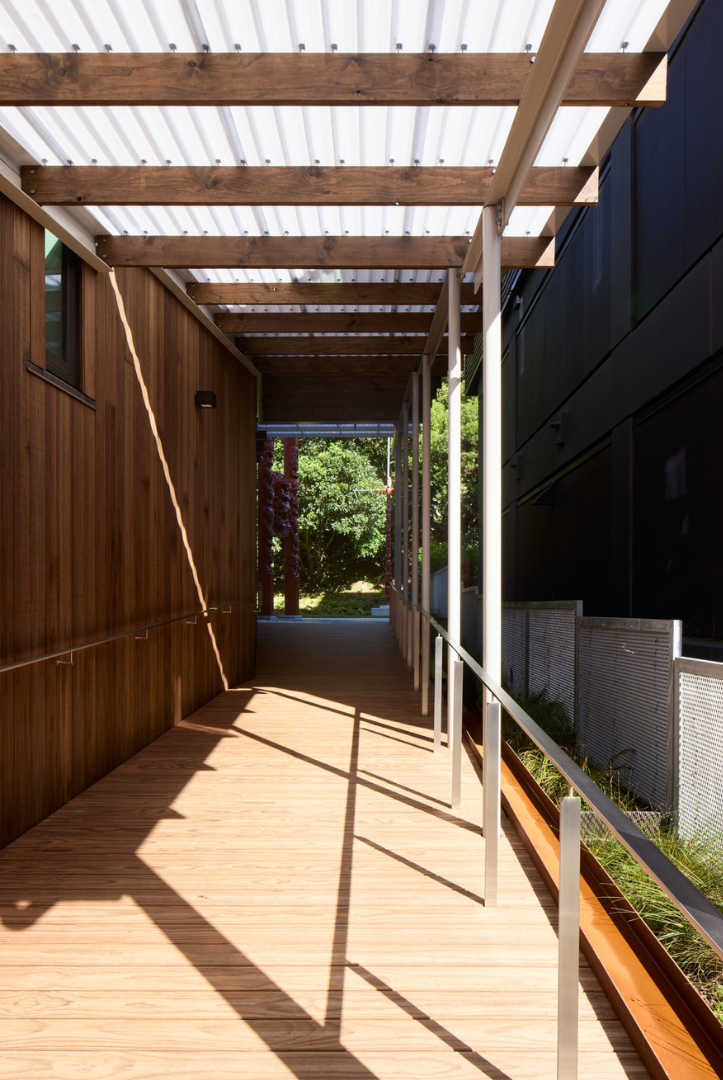
- Vulcan® Cladding – Vertical Grain (Profile WB12 138x20 and 90x60), in Iron Vitriol
- Vulcan® Screening (Profile 65x42), in Protector – Walnut
- Vulcan® Decking (Profile DK16V 142x27), in Protector – Clear
- Photography
- Jason Mann Photography
- Completion Date
- December 2024
- Location
- Wellington, New Zealand
Designed by Tennent Brown Architects, Victoria University’s new high performance building uses highly durable, sustainably sourced materials like Abodo’s Vulcan® Cladding in Iron Vitriol, Vulcan® Decking and Vulcan® Screening in Protector - Walnut to help meet the strict guidelines of the Living Building Challenge (LBC).
Alongside Te Herenga Waka Marae, the atypical institutional building Ngā Mokopuna (formerly the Living Pā) is designed to reflect Te Ao Māori principles, explains architect Ewan Brown. “What I value most about the final outcome is how the building sits with quiet strength beside the marae (Māori tribal meeting place), supporting the Kaupapa (cause) of the university’s Ngā Mokopuna initiative and offering a place of learning that is deeply rooted in Māori values.”
The ground floor encompasses an open engagement space and a wharekai (dining hall), while the second floor includes study areas, small group teaching zones and a larger teaching space. The interior design alludes to the traditional narrative of mythological figure Māui, reflected through patterning on ceiling panels and digitally printed light fittings created by artist David Hakaraia.
“These elements guide visitors through the space, evoking a sense of movement, discovery, and whakapapa (family),” says Brown.
Tennent Brown has been involved in other Māori-centred Living Buildings around the country, such as Te Ara a Tāwhaki in Otaki and the Tuhoe Lake Waikaremoana visitor centre, both of which use Abodo products. This is due to the products meeting and exceeding these exacting materials requirements from the Living Building Challenge covering:
- Timber source is from Forest Stewardship Council® (FSC®) certified forests.
- Declare Red List compliance
- Low carbon impact
Vulcan timber is made locally from FSC® certified Radiata Pine, which is heat tempered (also known as thermally modified) to ensure stability and longevity, without the use of any chemical preservatives. This cladding is a smart choice - with its Environmental Product Declaration (EPD) and Declare certification, meaning Vulcan has low toxicity and will store more carbon than used in its production.
Due to the thermal modification process, Abodo Vulcan Decking has reduced resin content, resulting in a highly stable product with a warm, homogenous brown tone that will silver off naturally over time without warping or buckling.
The requirements also state that Living Buildings must connect their users with nature. With its rich, textural finish, the cladding provides a naturally warm palette, which is accentuated at Ngā Mokopuna by the varied, woven application, reflective of Māori handicrafts.
“The products performed exceptionally well during construction and were appreciated by both the build and design teams,” says Brown. “The client was also pleased with the tactile quality and visual warmth the timber brought to the project. And of course, they fit extremely well with the Living Building Challenge requirements of low toxicity and carbon sequestering.”
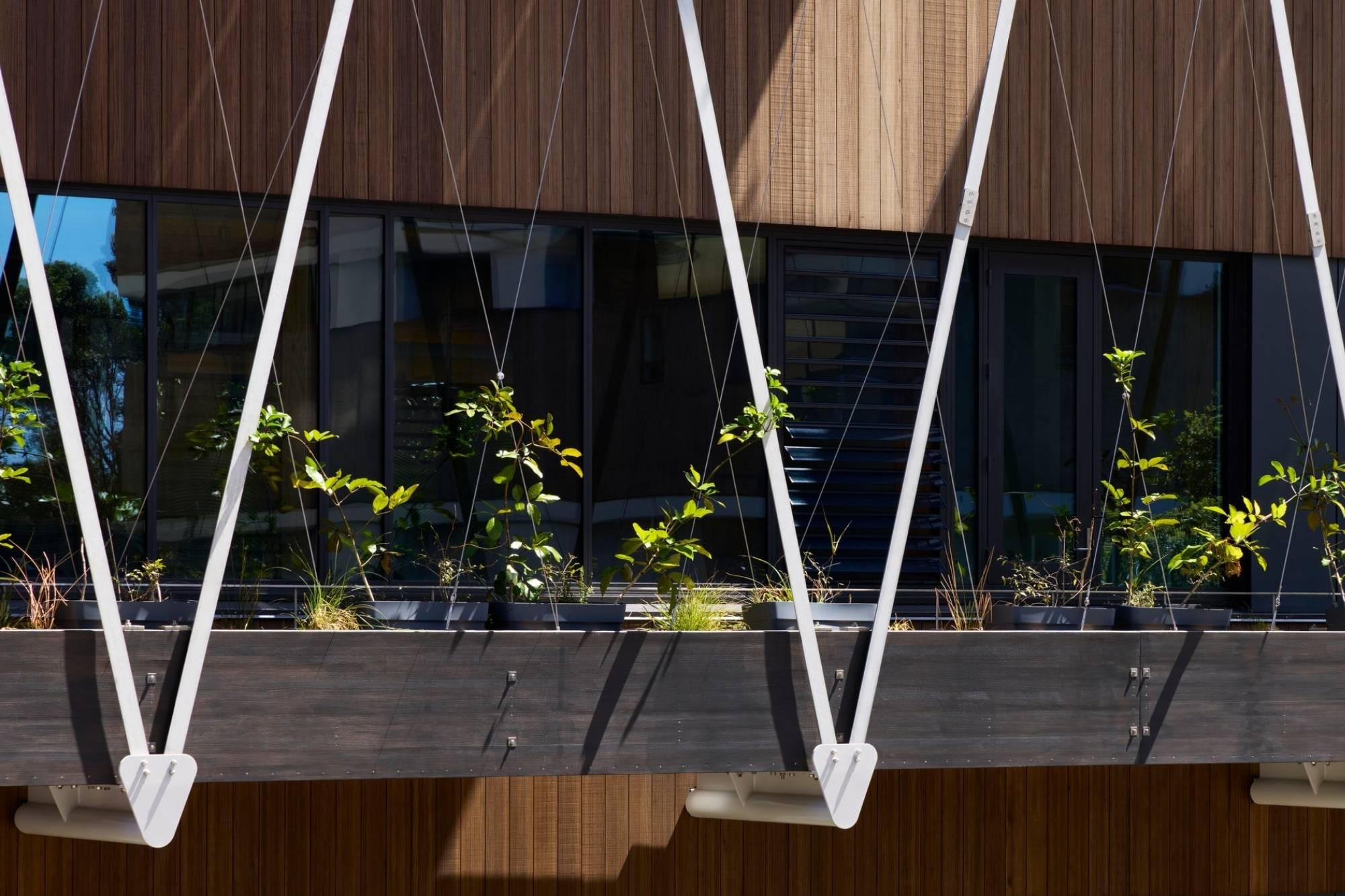
Aside from materials, Living Buildings must generate more energy than they use and capture and treat all water on site. Ngā Mokopuna generates its own electricity through a solar array on the roof and also collects rainwater for use in the building. Wastewater is managed on site and reused for grey water systems and gardens.
With all these boxes checked and the building now being enjoyed by students and community members alike, Ngā Mokopuna is set to achieve its Living Building Certification, from the International Living Futures Institute. The highest standard for environmentally responsible buildings.
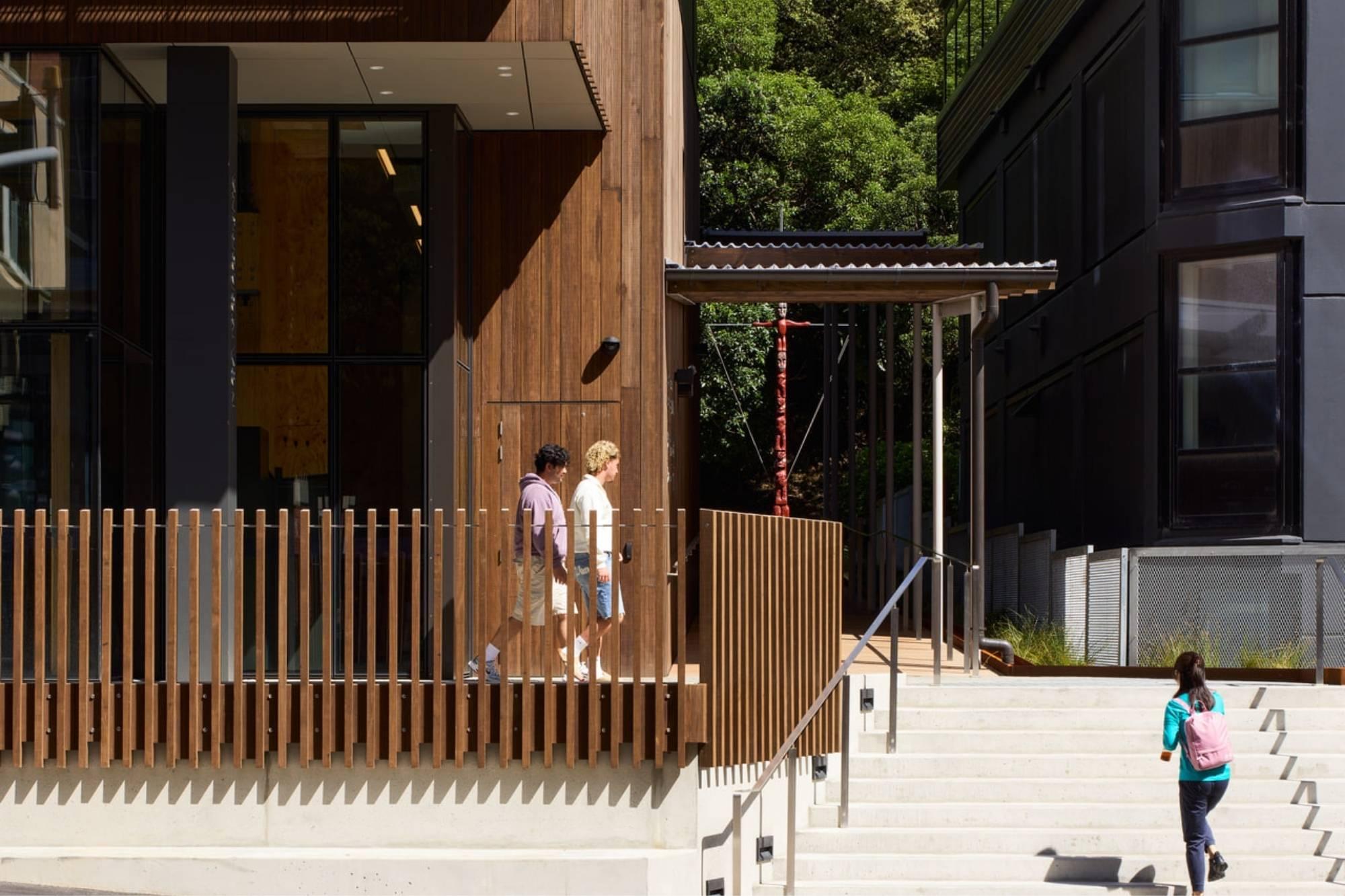
Press play to hear how this groundbreaking, student-centred space uses a beautifully woven Abodo timber exterior to connect Te Ao Māori principles with the whenua and our shared future.
Products
See more about the products that have been used on this project.