-
About
-
Products
- By Timber Product
- Cladding
- Decking
- Joinery
- Screening
- Panelling
- View all
- By Application
- Exterior Cladding / Siding
- Exterior Rain Screen
- Exterior Roofing
- Interior Walls & Ceilings
- Soffits
- Screening, Fins & Battens
- Windows, Doors & Joinery
- Posts & Beams
- Accessories + Samples
- Coatings
- Fixings
- Samples
-
Shop
- Samples
- Timber Samples
- Architectural Sample Box
- View all
- Accessories
- Coatings
- Fixings
- View all
-
Resources
- By Resource Type
- Technical Data Sheets
- Guides & Manuals
- Technical Articles
- Profile Drawings
- View all
- How To
- How To Specify
- How To Install
- How To Maintain
- Projects
- Contact
Global Webinar / Passive House in Practice: From Build to Living. Find out more >





A Haven for Native Species
The biodiversity found living in New Growth™ forests demonstrates how responsible forestry can help regenerate ecosystems.
New Zealand’s lush natural environment features a wealth of unique plant and animal species that rely on the delicate, interconnected habitats of old growth forests to thrive. The rich biodiversity of these centuries-old ecosystems provides us with clean air and water, healthy soil, abundant flora and fauna, and critical climate resilience.
But what many may not know is that New Growth forests can offer similar biodiversity benefits by protecting old growth forests and providing vital habitats for some of our most prized native species.
Meet the Neighbours
Planted, New Growth forests are often misunderstood; we’ve all heard pine criticised as an invasive species.
When you look a little deeper, you’ll find that a well-managed plantation forest – in addition to being a critical source of fibre, building material, and jobs – can offer fantastic environmental benefits, including carbon sequestration, air and water filtration, and a refuge for wildlife.
Here are just a few of the species that are making their homes in the Forest Stewardship Council® (FSC®) certified forests where Abodo® sources our New Growth Feature Timbers.
The Threatened Kārearea
The kārearea (New Zealand falcon), is New Zealand's most threatened bird of prey, has been seen nesting and breeding in plantation forests since the 1930s. Their presence is most notable in the Radiata of Kaingaroa Forest in the Bay of Plenty, where much of Abodo’s timber is sourced, but they have been documented in managed forests throughout both the North and South Islands. These majestic “bush falcons” appear to be selectively choosing younger, cut-over areas – where planted pine trees have been harvested – which provide rich and thriving habitats, both before and after harvest.

The Rare and Fierce Whio
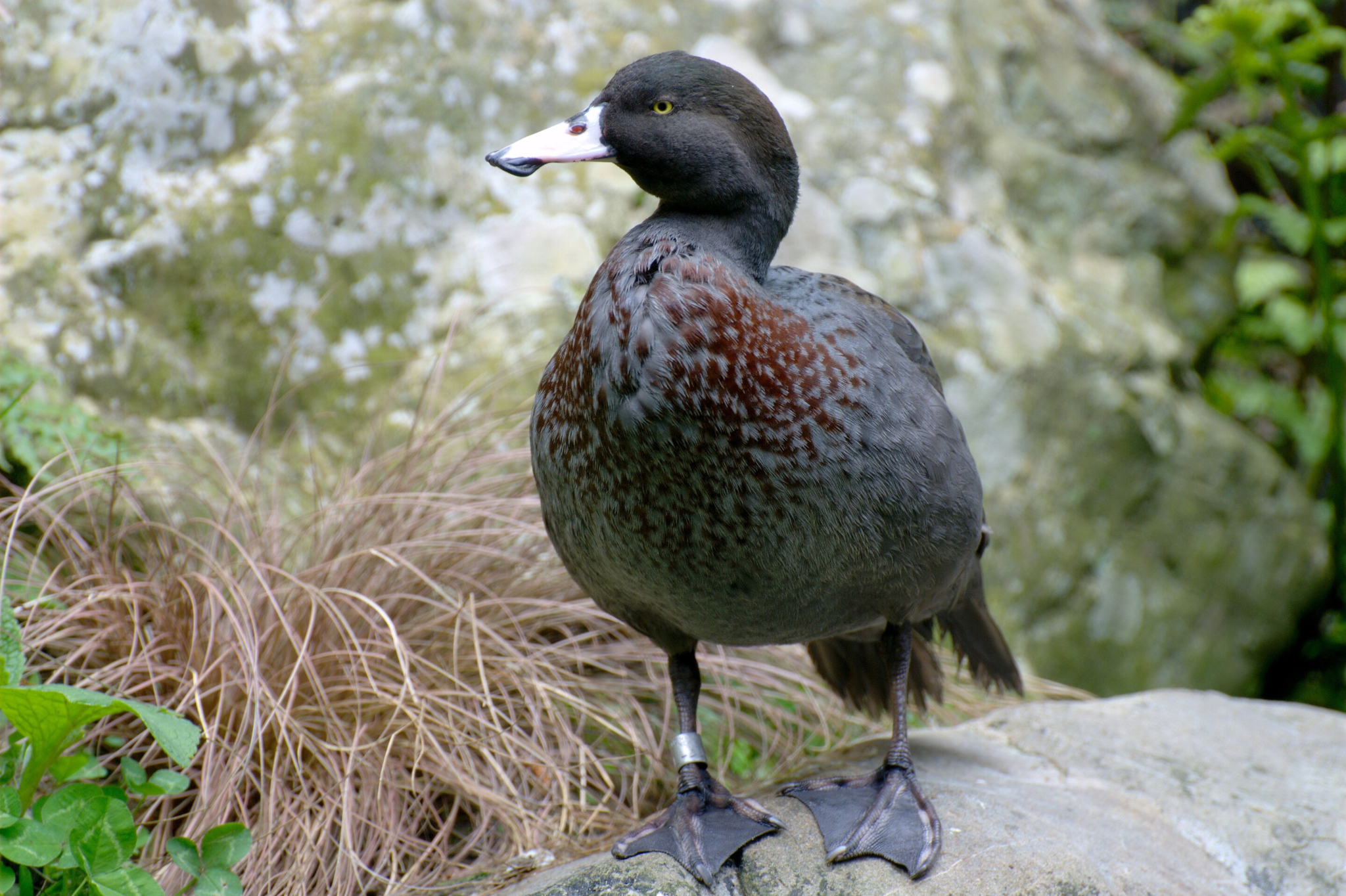
Whio (blue duck) are unique to New Zealand and, with fewer than 3,000 individuals left in the wild, are now even rarer than some species of kiwi. Forest managers in the central North Island and along the West Coast have noted that planted forests are attracting whio from neighbouring conservation estates, largely due to the healthy waterways and robust pest management systems associated with New Growth forests. New Zealand’s 1.7m hectares of planted forests (90% of which are Radiata) contain more than 24,000km of streams that provide high-quality water to downstream users and attract native birdlife like the whio.
The Mythical Pekapeka
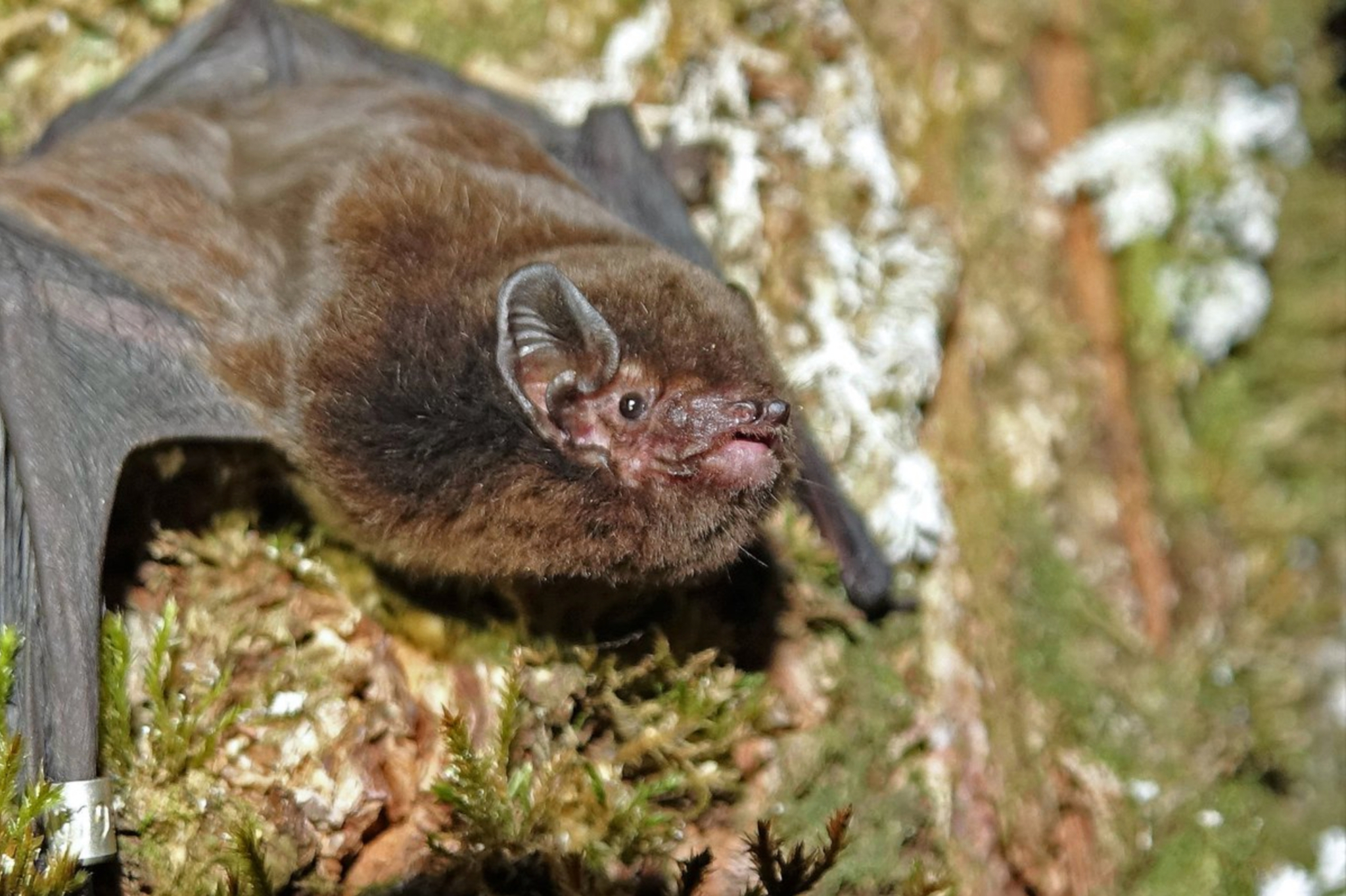
Our native bats (pekapeka) are unique to Aotearoa (New Zealand), where they roost, feed, travel and rest in planted forests throughout both the North and South Islands. These symbolic creatures are known in Māori folklore for their connection to the spiritual realm and the spirits of the ancestors. Long-tailed pekapeka have been documented in at least 26 New Growth forests, with widespread prevalence in Kinleith Forest in South Waikato, where they have been established through clear-fell harvests of two crop rotations already.
The Iconic Kiwi
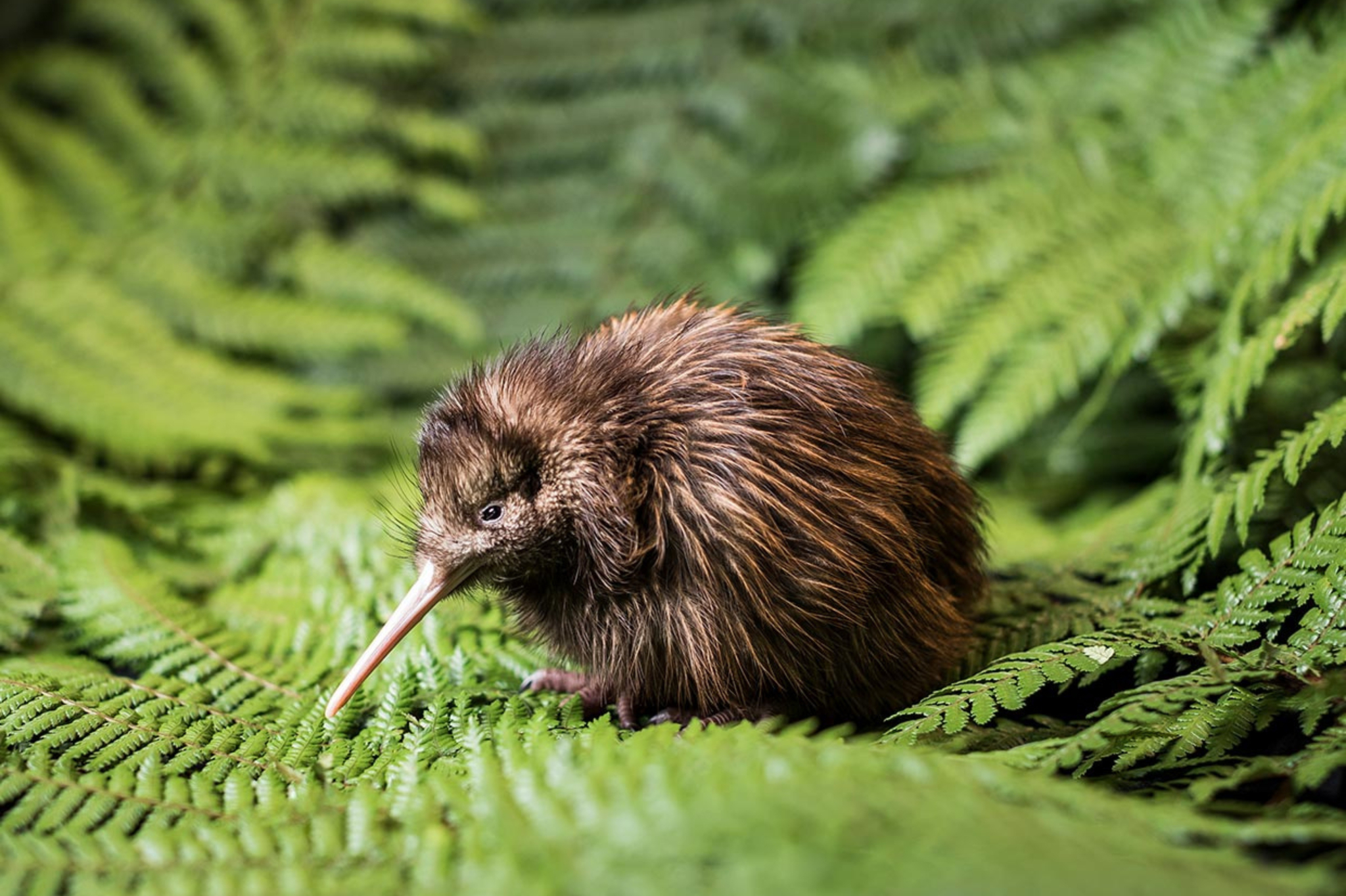
Plantation forests provide an increasingly important habitat for our treasured kiwi, with soil that is damp enough for them to probe into and pine needle cover that offers an easy and convenient hunting ground for food. Planted Radiata forests do not fruit, which means that they attract fewer predators to threaten the precious, endemic kiwi. The wood debris produced by pine harvesting also creates an ideal habitat and ecosystem for insects, one of the kiwi’s primary food sources. In some cases, kiwi have actually migrated from old growth forests into managed Radiata forests, with these plantation areas now home to thriving populations of kiwi.
Doing Our Part
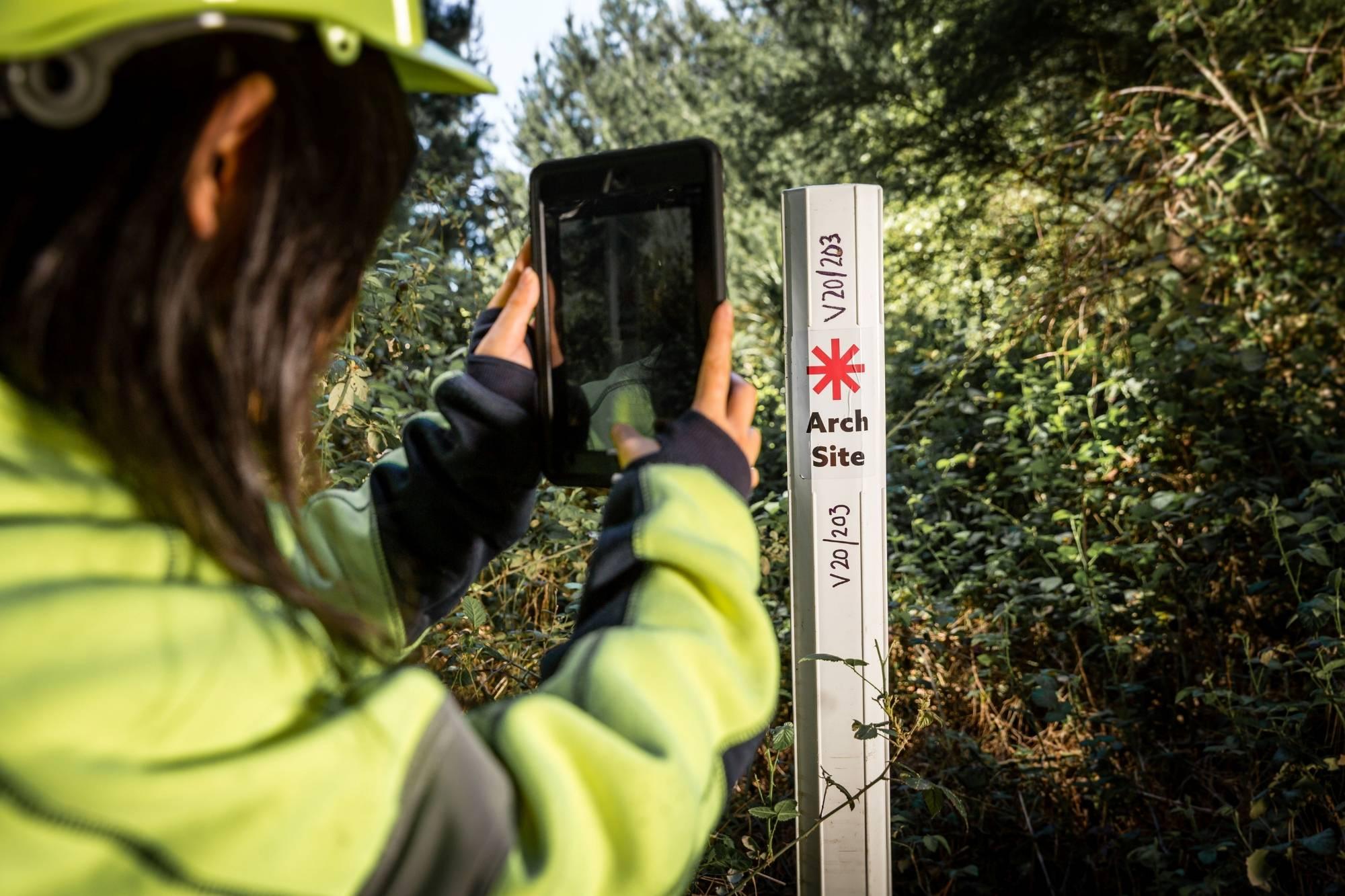
Our partners at Pan Pac Forest Products, who produce Radiata in Hawkes Bay, are working to support vulnerable kārearea and protect them from the impacts of development and forestry by tracking their movements on the Survey 123 app so workers can provide a buffer, ensuring that the areas around nests are protected from any operations. Likewise, our partners at Kaingaroa Timberlands work closely with Wingspan to monitor and manage falcon populations, ensuring that falcon chicks are cared for until they fledge.
Learn more about Abodo’s sustainability in our 2026 Impact Report.