-
About
-
Products
- By Timber Product
- Cladding
- Decking
- Joinery
- Screening
- Panelling
- View all
- By Application
- Exterior Cladding / Siding
- Exterior Rain Screen
- Exterior Roofing
- Interior Walls & Ceilings
- Soffits
- Screening, Fins & Battens
- Windows, Doors & Joinery
- Posts & Beams
- Accessories + Samples
- Coatings
- Fixings
- Samples
-
Shop
- Samples
- Timber Samples
- Architectural Sample Box
- View all
- Accessories
- Coatings
- Fixings
- View all
-
Resources
- By Resource Type
- Technical Data Sheets
- Guides & Manuals
- Technical Articles
- Profile Drawings
- View all
- How To
- How To Specify
- How To Install
- How To Maintain
- Projects
- Contact

A Small but Innovative Detail That Changes Everything
How End Matching is helping builders reduce waste, improve efficiency and get more from every board.
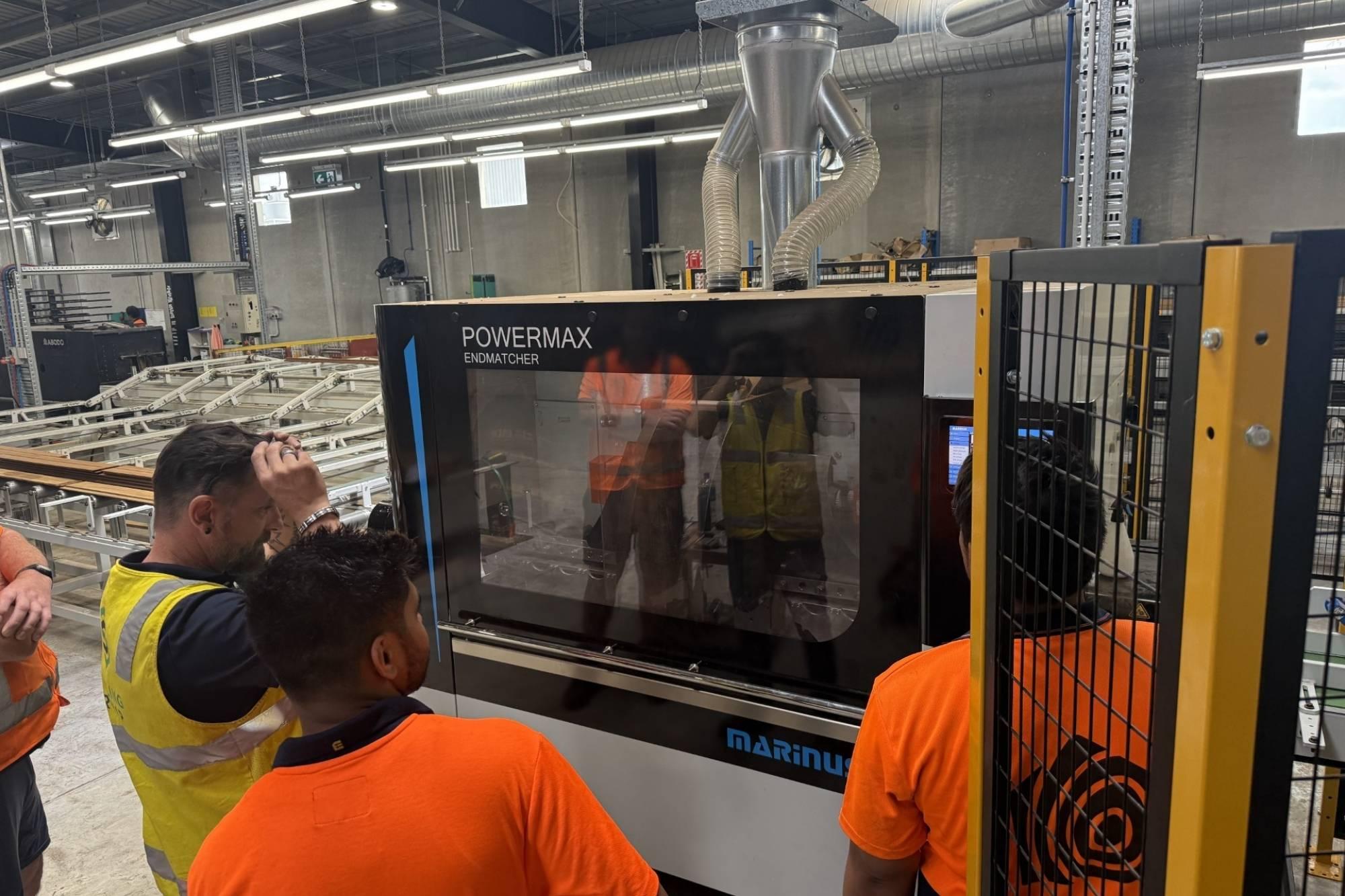
The timber cladding feature you possibly never knew you needed, but we know you’ll love. End Matched short length cladding boards are now available – a time-saving innovation for builders.
What is End Matching?
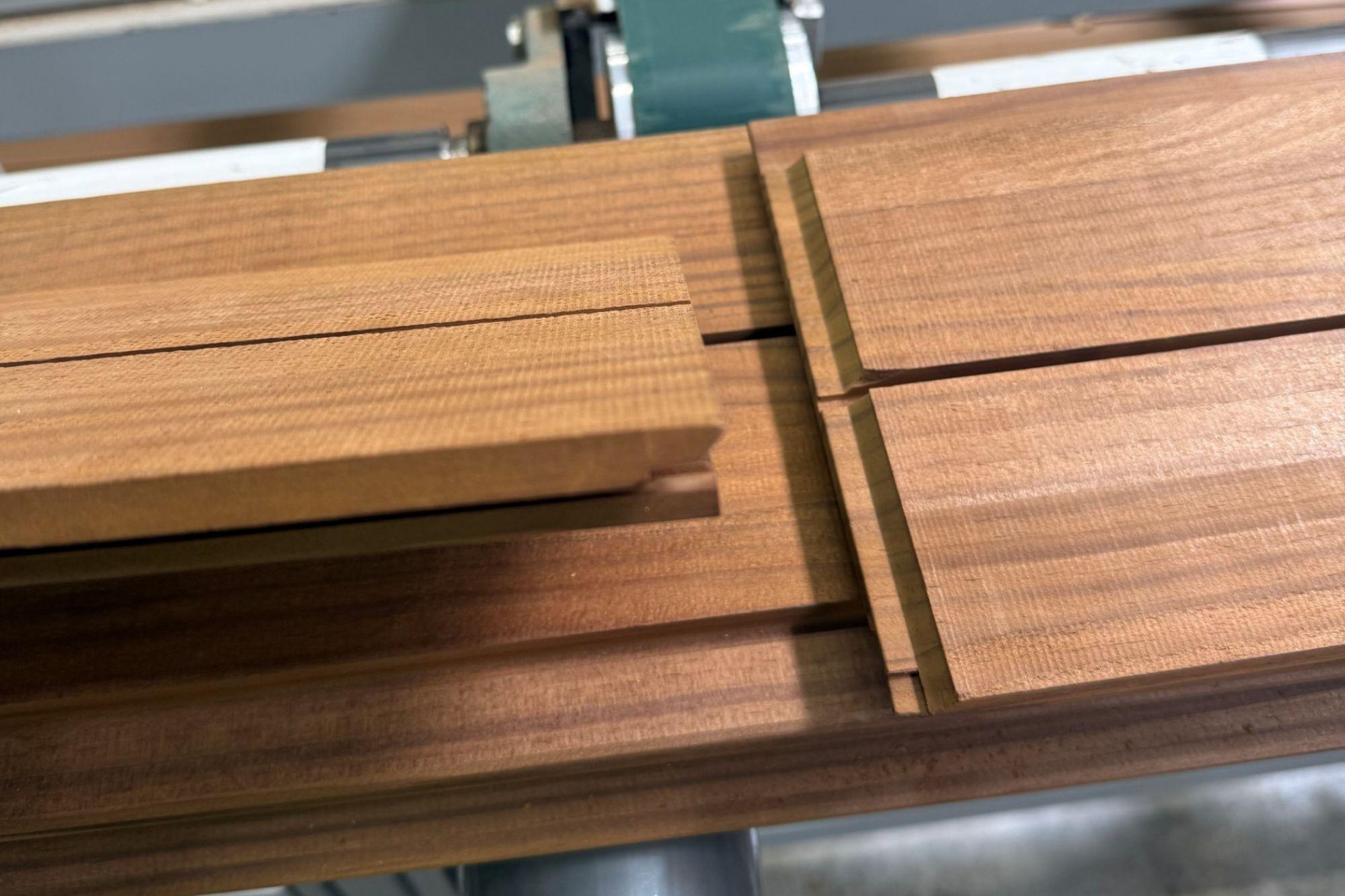
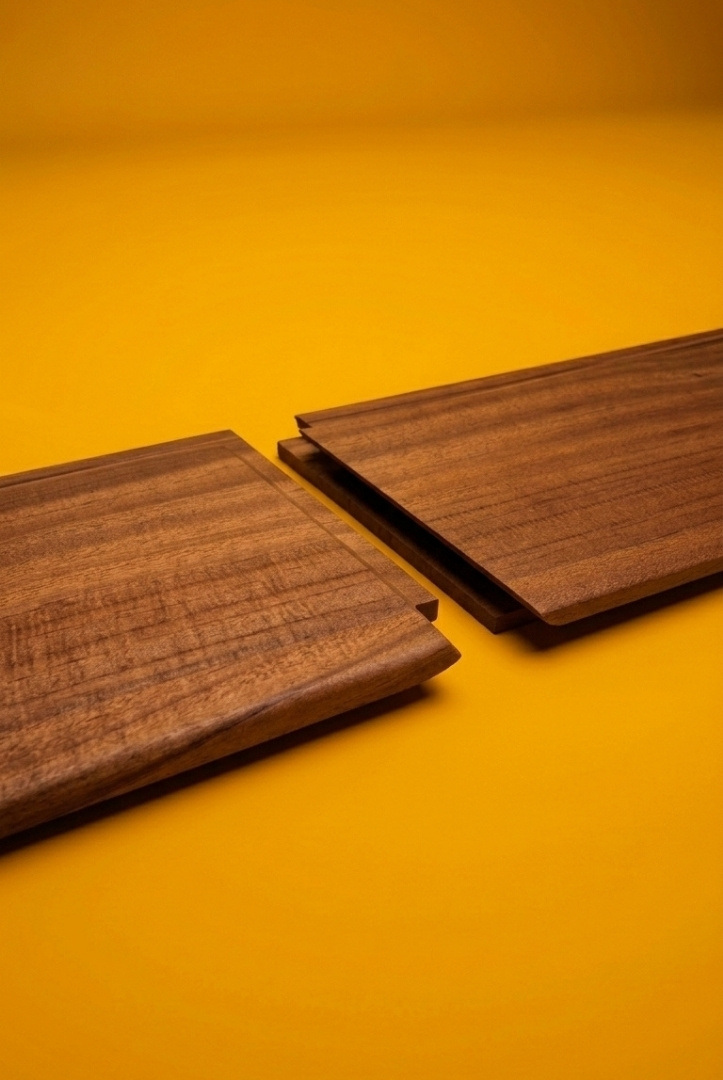
End Matching adds a tongue profile to one end of a cladding board and a groove to the other, allowing boards to interlock not just along their length, but at their ends as well. So instead of relying on battens or studs to support every join, the boards lock together wherever they meet, creating a stable, continuous surface.
This simple feature unlocks a surprising number of benefits, both during installation and throughout the life of the build.
The Benefits of End Matching
Faster, Easier Installation
Because End Matched boards can be joined off the batten, the build team no longer need to measure and cut every board to land precisely on a fixing point.
Boards simply click together, reducing handling time and speeding up progress on site. For large cladding, the time savings quickly add up.
Less Waste, More Sustainability
Traditional tongue and groove systems often require longer boards, which means more offcuts and more timber wasted. End matching changes that. Shorter lengths can be used efficiently and offcuts can be locked into the next run instead of being discarded.
For sustainably minded projects and when resource efficiency matters, this is a meaningful impact.
A Cleaner, More Consistent Look
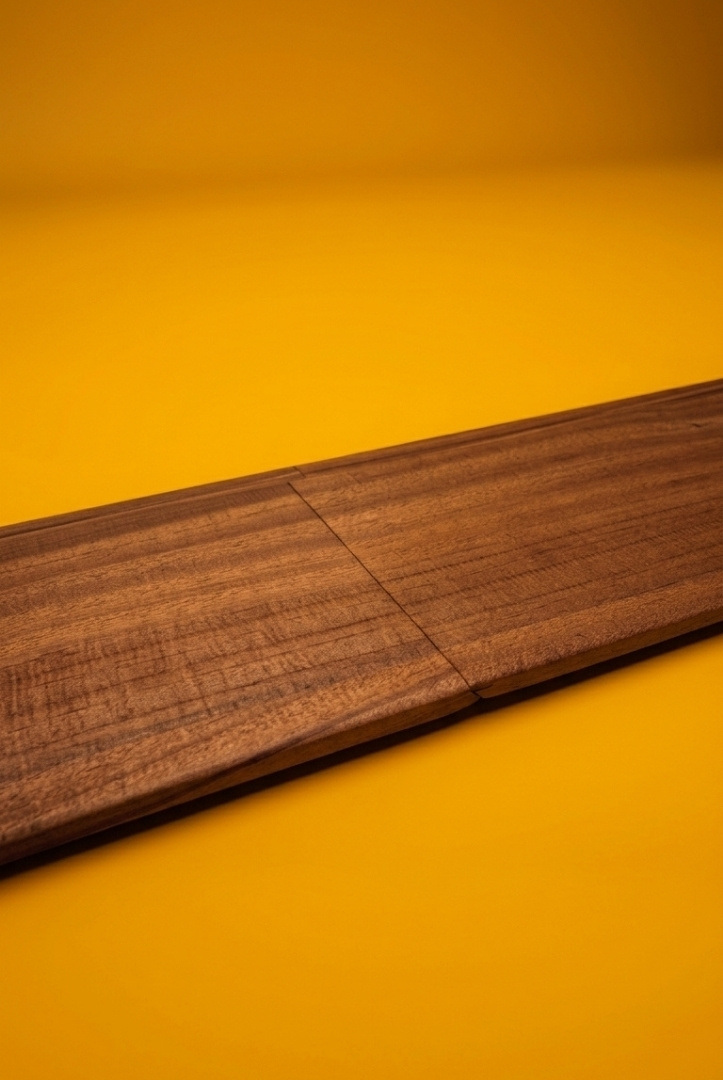
Scarf joins and butt joins can interrupt the visual rhythm of a timber design. End Matching creates tight, discreet joints that blend cleanly into the finished wall or façade.
Boards can also be randomised, or offset for a more natural, crafted aesthetic without compromising structural integrity.
Improved Weathertightness and Long‑Term Stability
The interlocking tongue and groove ends form a more secure joint than a simple butt join. This helps reduce movement, prevents gaps from opening over time and improves resistance to moisture ingress – especially important for exterior cladding exposed to the elements.
The result is cladding that stays straighter, tighter and more resilient.
Why Abodo Loves End Matching
Using timber thoughtfully, and with the respect for the New Growth forests it comes from is what we’re all about here at Abodo. End Matching supports that by:
- Maximising usable timber: it’s now much easier to combine short boards into longer lengths, especially when you’re running short by only one or two boards
- Reducing waste on site: preventing short length boards from ending up in the skip bin and landfill
- Improving performance and longevity: ultimately this means fewer repairs over the life of the build and therefore a lower total cost of ownership
- Supporting efficient, low‑impact construction: greater sustainability and time savings on site for the win!
End Matching is a small detail that makes a big difference, the kind of innovation that helps timber remain a future‑focused building material.