-
About
-
Products
- By Timber Product
- Cladding
- Decking
- Joinery
- Screening
- Panelling
- View all
- By Application
- Exterior Cladding / Siding
- Exterior Rain Screen
- Exterior Roofing
- Interior Walls & Ceilings
- Soffits
- Screening, Fins & Battens
- Windows, Doors & Joinery
- Posts & Beams
- Accessories + Samples
- Coatings
- Fixings
- Samples
-
Shop
- Samples
- Timber Samples
- Architectural Sample Box
- View all
- Accessories
- Coatings
- Fixings
- View all
-
Resources
- By Resource Type
- Technical Data Sheets
- Guides & Manuals
- Technical Articles
- Profile Drawings
- View all
- How To
- How To Specify
- How To Install
- How To Maintain
- Projects
- Contact





Heat Tempered Timber – Enhanced Performance
Abodo’s own proprietary heat tempering system is a game changer, boosting the timbers stability and lifespan.
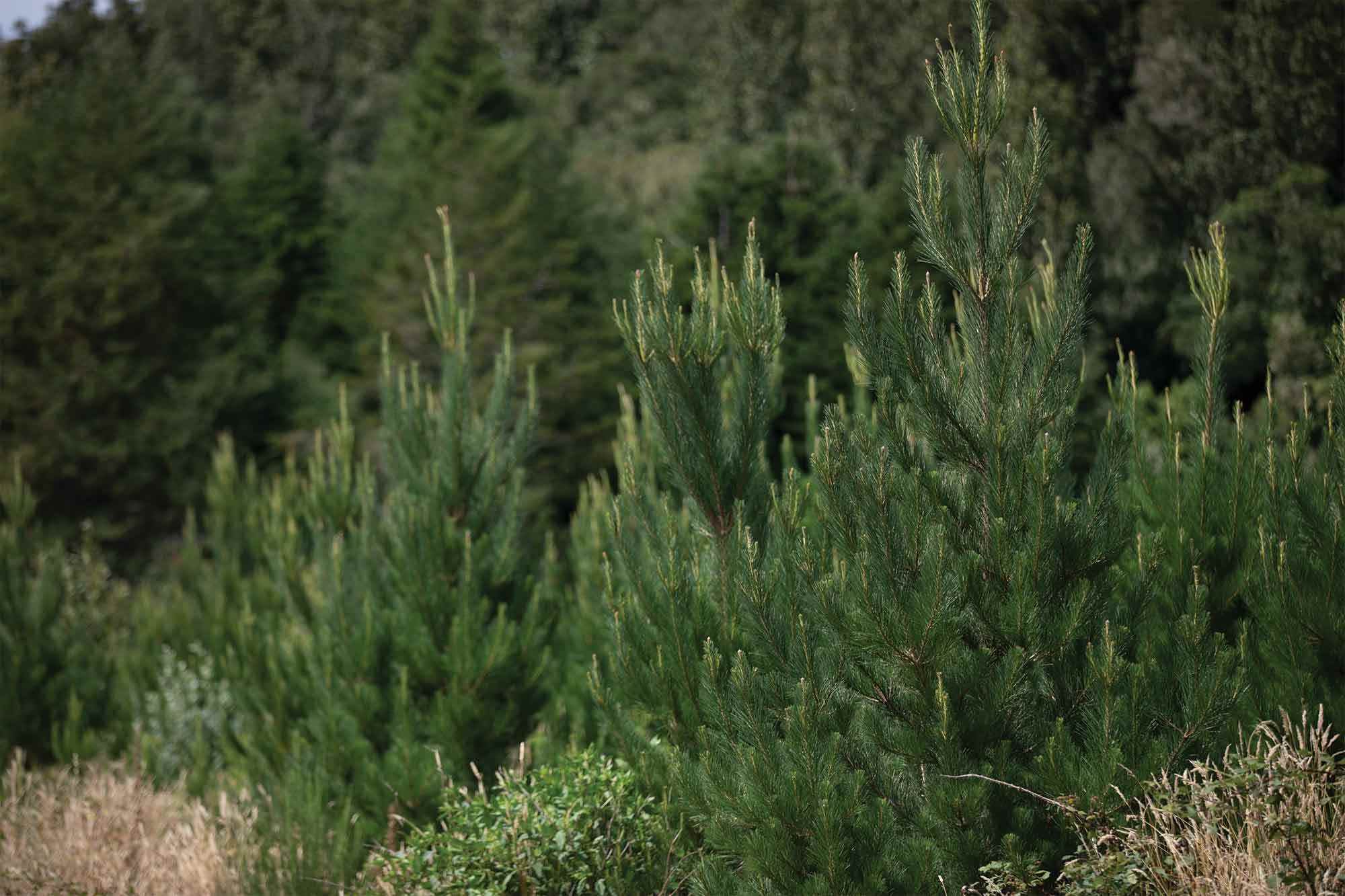
Caring for the environment doesn’t stop with the forest; it’s about the whole journey. From how trees grow to how they’re harvested, transported, treated, and finally installed, at Abodo®, we’re intentional every step of the way.
Heat tempering (also known as thermal modification) is a game-changer. It boosts the timber’s stability and lifespan, turning it into a stronger, more environmentally responsible building material. Since the technology was first developed in the ‘90s, thermally modified wood has been growing in popularity, and for good reason.
How is it Made?
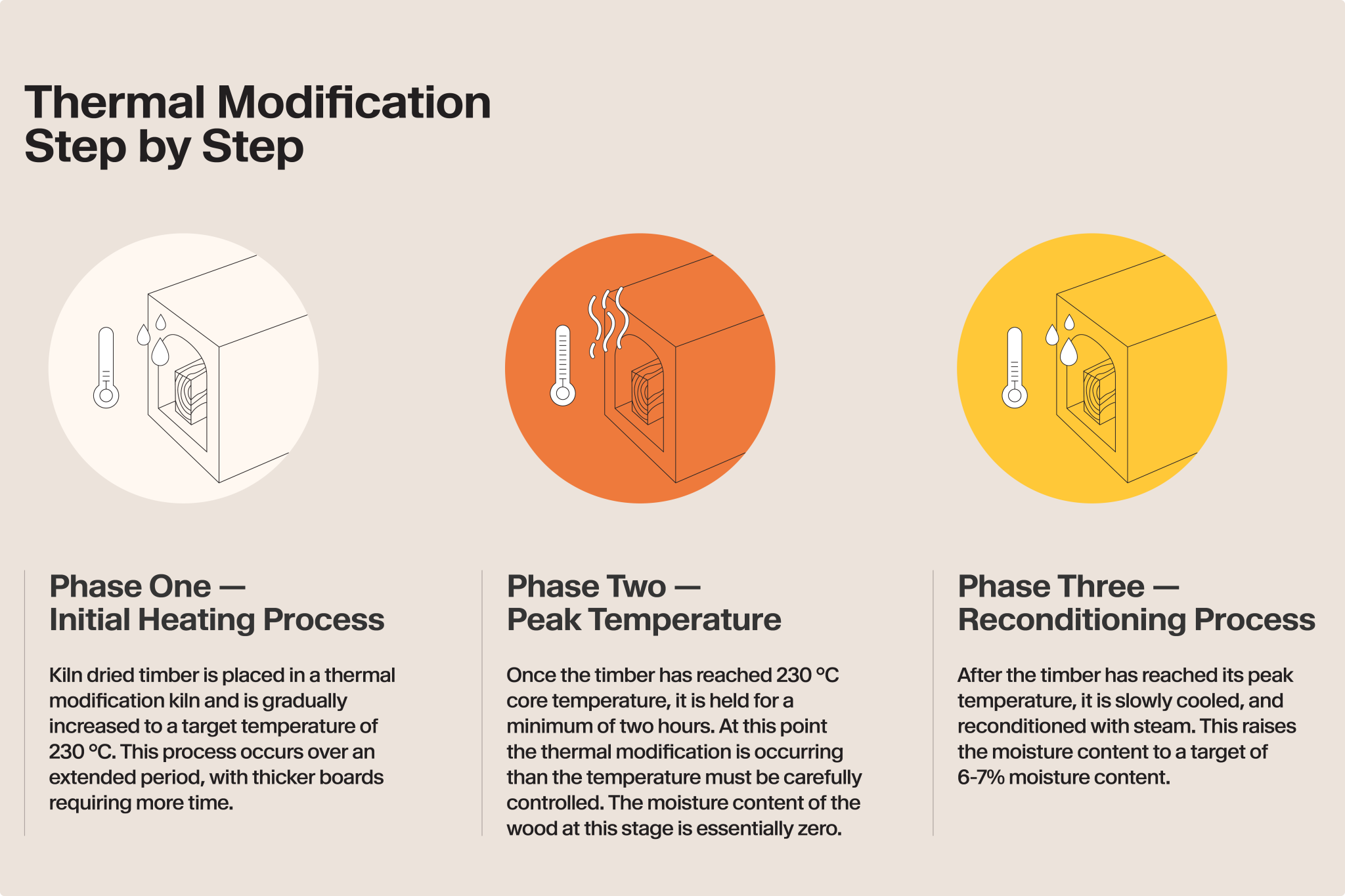
Unlike pressure-treated timber, which relies on chemicals to fight off decay and bugs, heat tempered timber gets the job done with just steam and high temperatures. Our process goes up to 230°C using Abodo’s own proprietary tempering system.
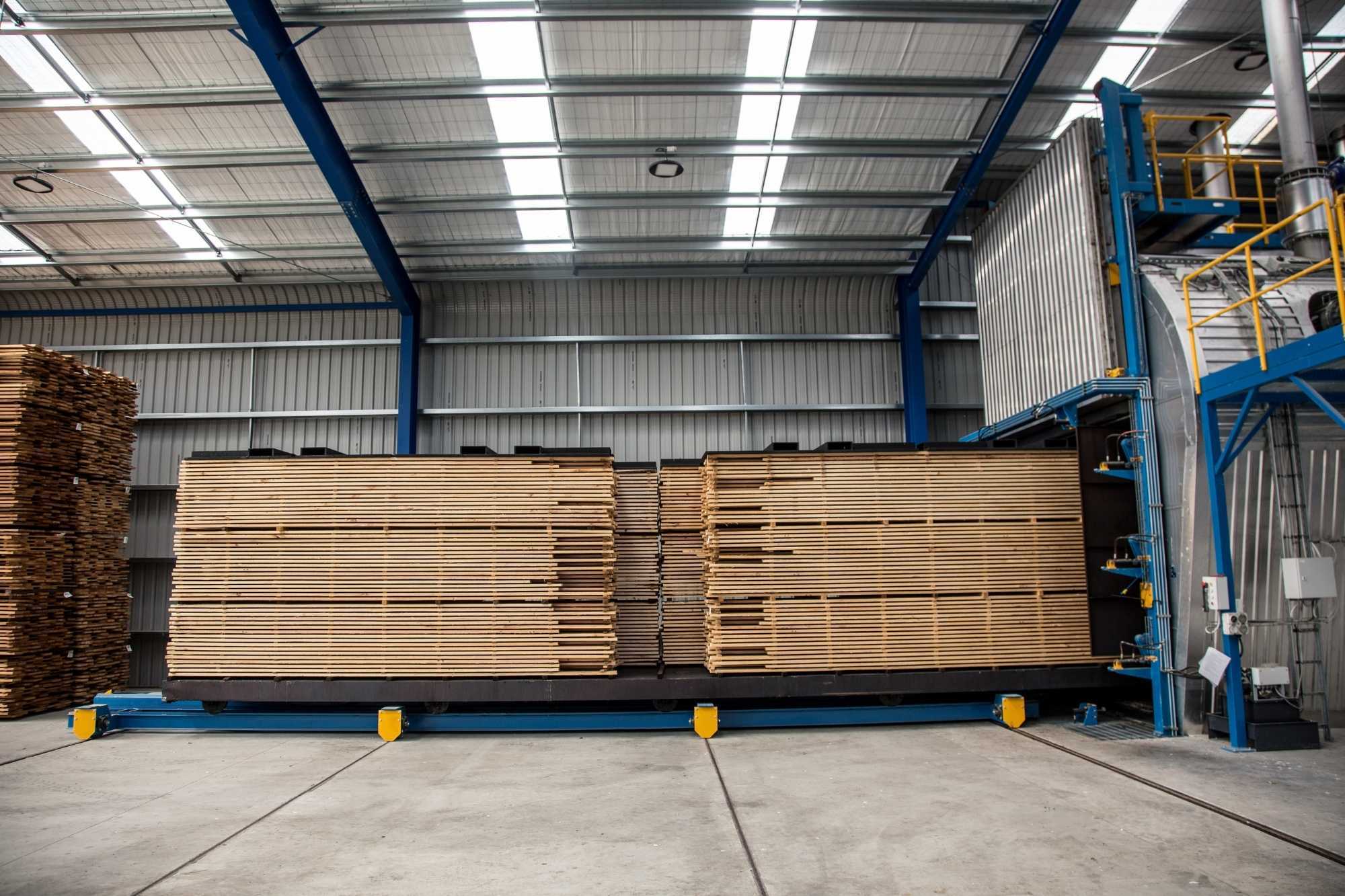
The real magic happens during the cooling and reconditioning phase. We use purpose-built, computer-controlled kilns to make sure every piece hits the correct specifications. By the end, the timber’s moisture content drops to around 7%, and its structure is permanently improved. Most of the natural resins are cooked out, so there's way less chance of sticky resin bleed, and the sugars that fungi love are broken down. The result? Timber like Radiata becomes far more durable, with an expected service life of 30 years in above-ground cladding applications. All that, and it’s done cleanly and responsibly.
Not all Heat Tempered Wood is Created Equal
In a 2024 performance review of Abodo Vulcan® heat tempered Radiata, Professor and expert in forest biology, environmental science, and plant pathology Dr Jeffery Morell found that Vulcan timber performs highly in stress tests when compared with chemically treated and untreated timbers.
His review examines the results of a range of tests, which largely pit heat tempered products created at different temperature points against chemically treated and untreated timber. He finds that Abodo’s high-temperature process (230°C) delivers timber with low moisture content, which helps resist decay from both soil contact and above-ground exposure. Products treated at lower temperatures didn’t hold up nearly as well.
Timber that Works Harder on Thermal Performance
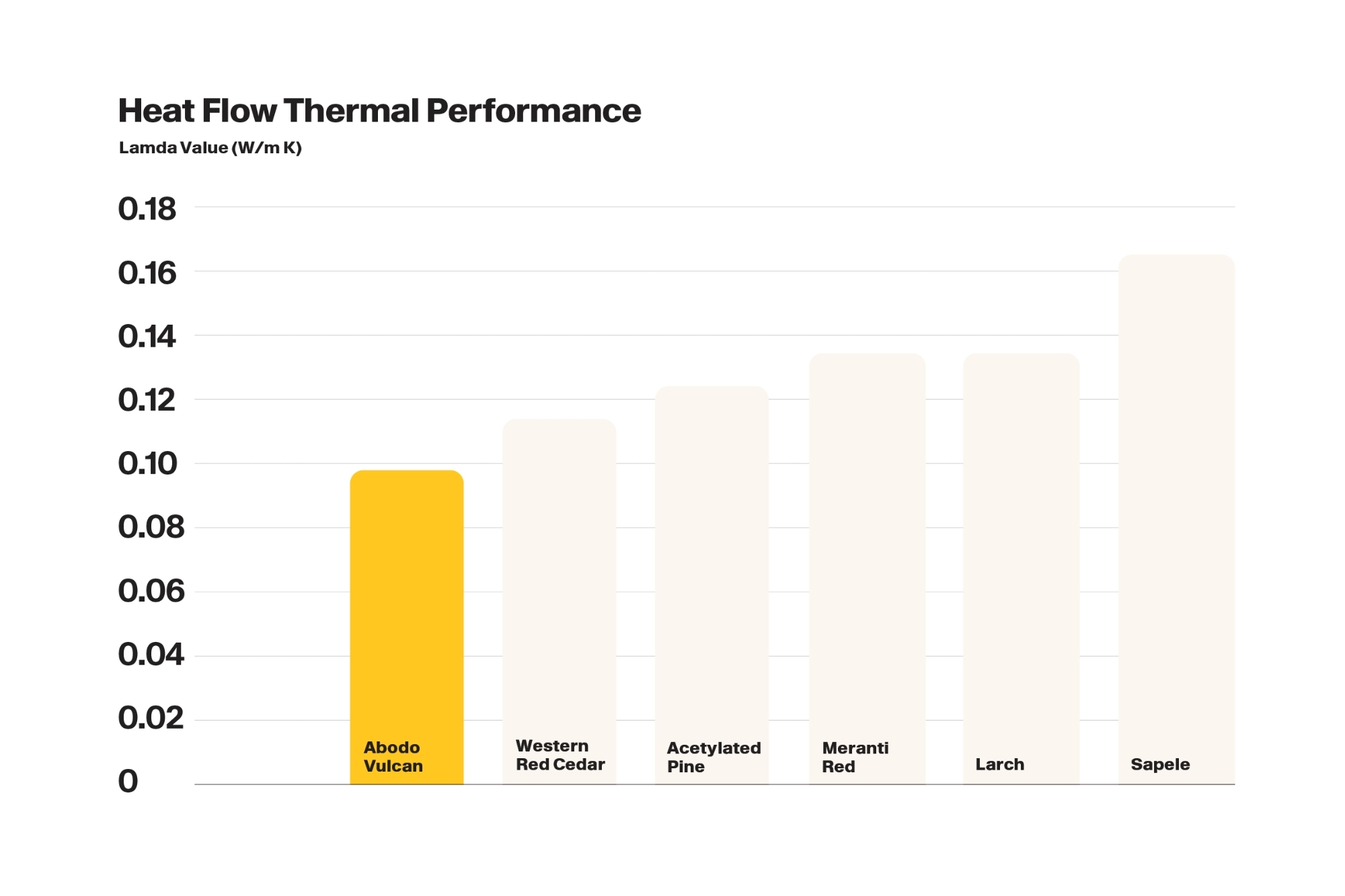
Thermal efficiency is an important consideration in the design of windows and doors. The right timber choice will greatly improve the value, health, and environmental credentials of the building. One added advantage of heat tempered timber is that the timber’s thermal insulation properties are improved by around 20%.
Abodo has created Vulcan with extremely low thermal conductivity, even when compared with other timber products. We put our 42mm Vulcan blocks to the test with a Heat Flow Meter, and the results spoke for themselves - better thermal performance than many commonly used window timbers. That means more flexibility for designers, improved U-values, and a cleaner, more refined look, all while keeping things energy efficient and production friendly.
Heat Tempered Timber Features:
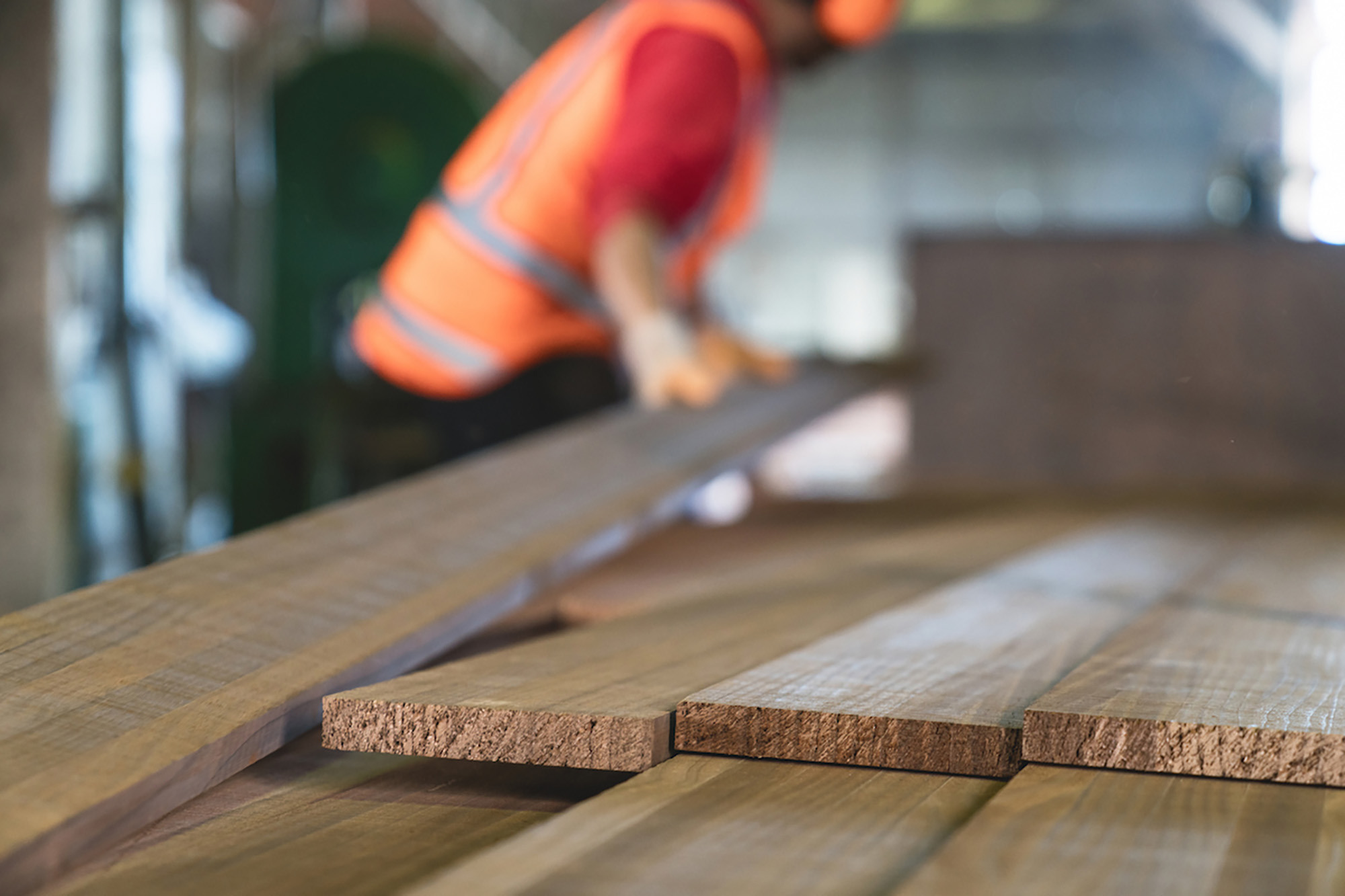
- Beautiful chocolate brown colour (will weather to grey if left uncoated)
- Naturally durable in above-ground exterior applications - no chemical preservatives required
- 50% less swelling and shrinkage than untreated Radiata - more stable and less movement in service
- Extractives and resins driven out of the wood - reduced resin bleed in service
- Improved thermal properties - 20-30% better thermal performance than Radiata
- Clear grade timber in long lengths - less wastage during installation
- Made from New Zealand plantation timber = a truly renewable, carbon-storing building product
Read the full testing results in our Performance Testing Guide.
Learn more about Abodo’s sustainability in our 2026 Impact Report